A discount can change when someone buys. It rarely explains why they should keep paying. If every acquisition push needs another coupon, examine the offer, proof and customer fit before cutting the price again.
Show the work behind the promise
Create a small, complete demonstration of your product’s value. A software business can show a task completed with its tool. A coaching group can publish a useful framework and explain its limits. A community can share an original educational breakdown without exposing private member posts.
The demonstration should help someone even if they do not purchase. Connect it to a specific paid next step: continuing feedback, a maintained tool or a structured programme. Avoid vague claims about an “exclusive network” unless you can explain what members actually do there.
Improve the path from interest to a decision
- State who the offer is for and who it is not for.
- Show what is delivered now, not only a future roadmap.
- Explain billing and access clearly.
- Answer the questions prospects ask repeatedly.
- Make the first member experience match the public promise.
Do not fabricate urgency, member results or testimonials. Obtain permission for genuine quotations and preserve the context. A clear limitation can attract a better-fitting customer than an exaggerated promise.
Measure channels beyond clicks
Whop provides tracking links for acquisition sources. Use recognisable internal names and keep destinations consistent. Compare paying starts, retained members and support burden where your records permit it; the channel with the most clicks may bring the least suitable audience.
| Hypothetical channel | New payers | Still paying after a comparable period |
|---|---|---|
| Broad promotional post | 20 | 8 |
| Focused practical tutorial | 10 | 8 |
These invented numbers illustrate why acquisition volume alone is incomplete. They are not expected conversion rates. Include acquisition cost and service time before deciding which channel is economically better.
Use partnerships with clear expectations
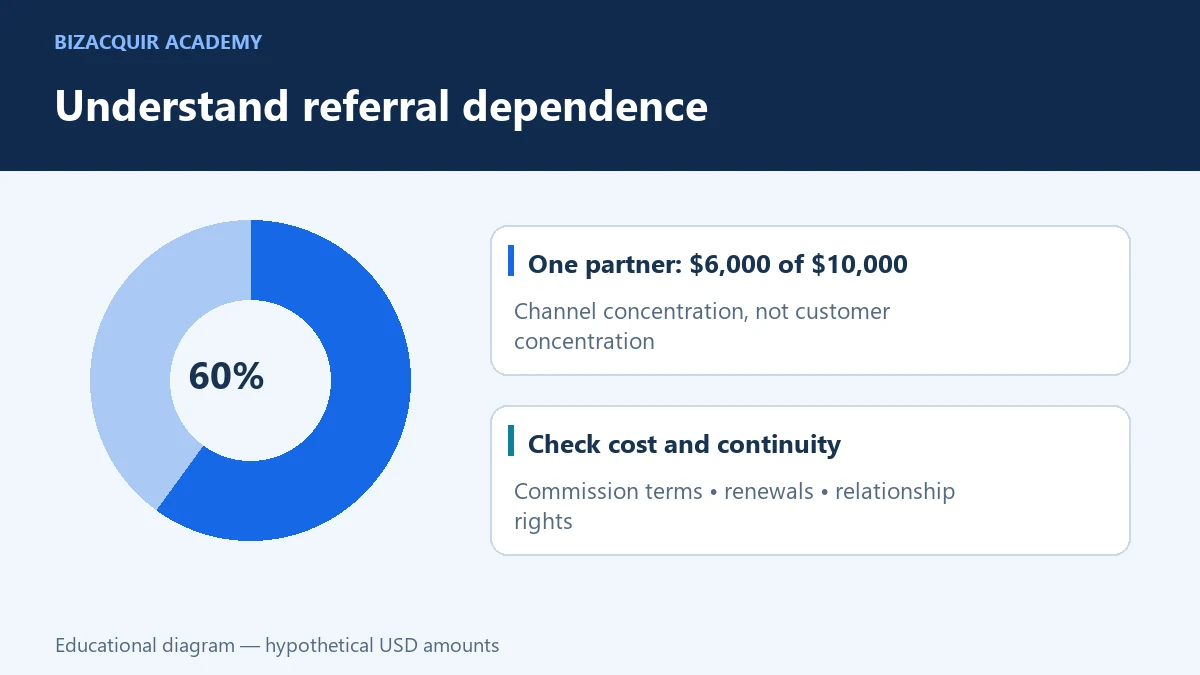
A relevant partner can introduce the right audience. Agree what they may claim, how any compensation is disclosed and how you will assess performance. Do not let an affiliate promise earnings or services your product does not provide. Check the provider’s current programme rules before enabling a commission arrangement.
Ask existing members what resource they would confidently share with someone like them. A genuinely useful public resource can support referrals without making every recommendation contingent on a discount.
Use promotions deliberately when they have a purpose
If you run a promotion, define its audience, duration and measure of success in advance. Keep the normal price truthful and explain what happens after the promotional period. Retain the records so discounted cohorts do not get mistaken for customers paying full price.
Review the product after each cycle. Better onboarding, a more useful recurring deliverable and clearer customer fit can improve the business long after a campaign ends. Those improvements also make its operating history easier for a future buyer to understand.
Design one useful acquisition experiment
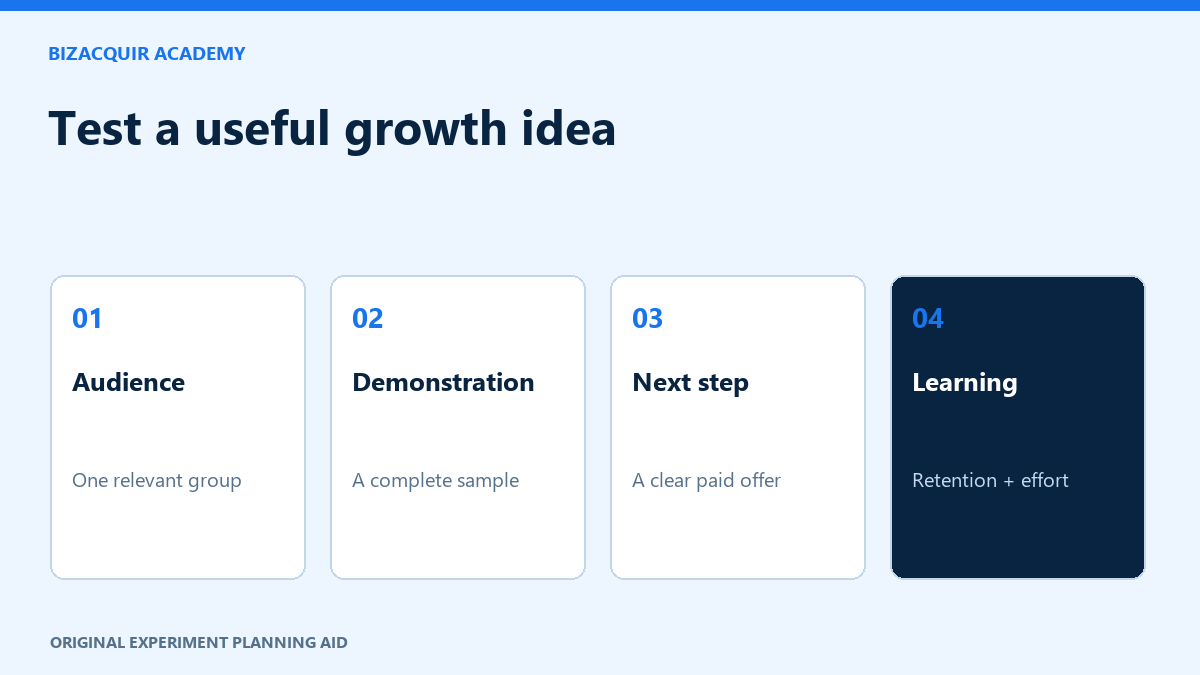
Choose an audience, a problem and one demonstration. For a hypothetical sourcing community, that could be a public checklist explaining how to assess a supplier quote, with fictional inputs. The paid offer might add recurring group reviews. Keep claims tied to the actual service rather than implying that the checklist guarantees resale profit.
Write the experiment on one page: where the demonstration will appear, why that audience is relevant, the next step, the work or spend involved and the observation window. Use a distinct tracking link when available. If someone discovers you in one channel and buys later through another, acknowledge that attribution is incomplete.
| Observation | Next improvement |
|---|---|
| People use the resource but misunderstand the membership. | Clarify the paid deliverable and who it suits. |
| Many people join but few use the first task. | Check audience fit and onboarding before buying more reach. |
| Retained members need expensive personal help. | Improve the resource or adjust the service scope. |
Give a good resource a longer life
Turn repeated questions into an updated example, a short comparison or a worked checklist. Keep the original useful material available and add the correction where readers need it. A sequence of connected lessons can help people evaluate your approach without a constant promotional cycle.
Before using a partner, agree the actual claims and compensation disclosures, and review the destination page together. Keep your own record of what was promised. If a channel depends on exaggerated earnings claims, stop the claim rather than trying to compensate with better retention later.
Your next step
Sources and useful references
Compare acquisition channels on retained demand
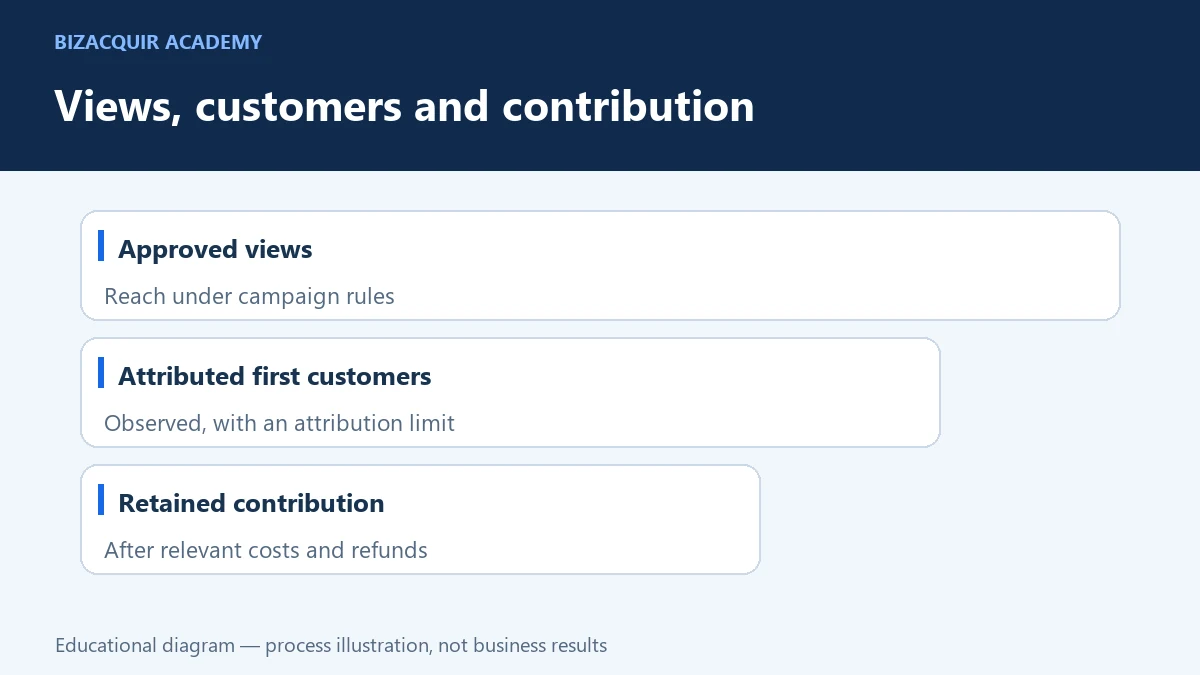
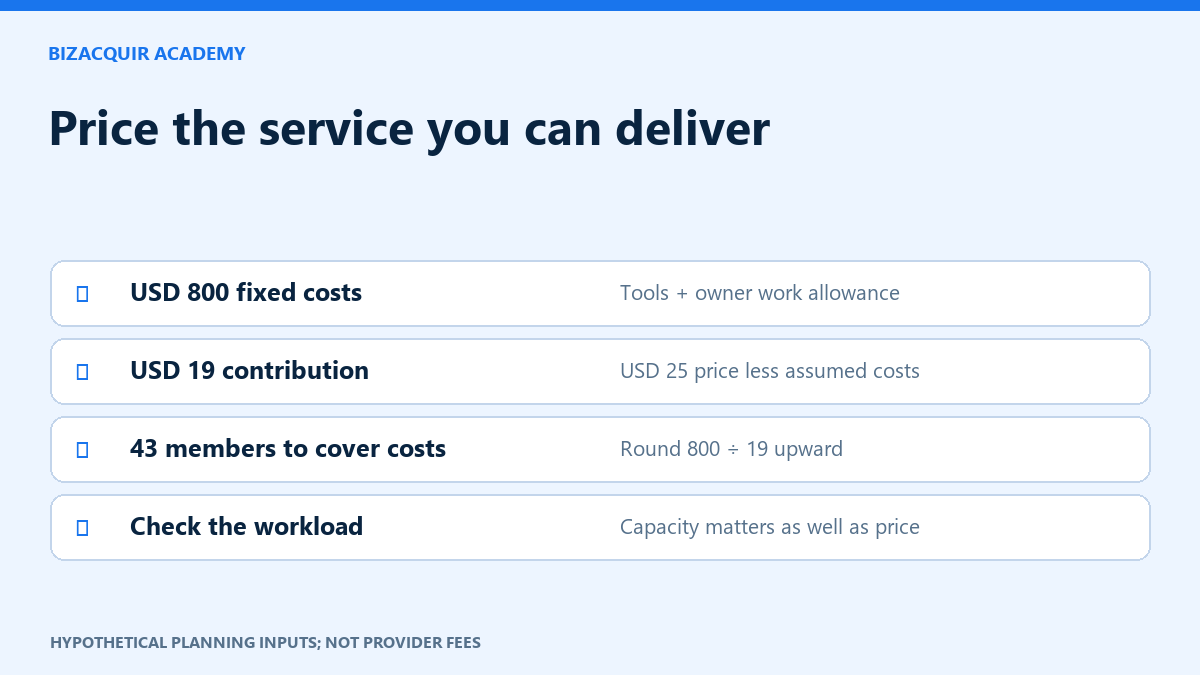
A lower first-purchase cost is not necessarily a better channel if most new members cancel or request refunds. Compare cohorts after a consistent observation period and include commissions, creator rewards and delivery costs where relevant. Keep unknown attribution visible.
For paid creator activity, use the Content Rewards cost checklist. For partner-led sales, use the affiliate revenue review. Neither views nor a promoter’s audience automatically becomes a transferable asset.